


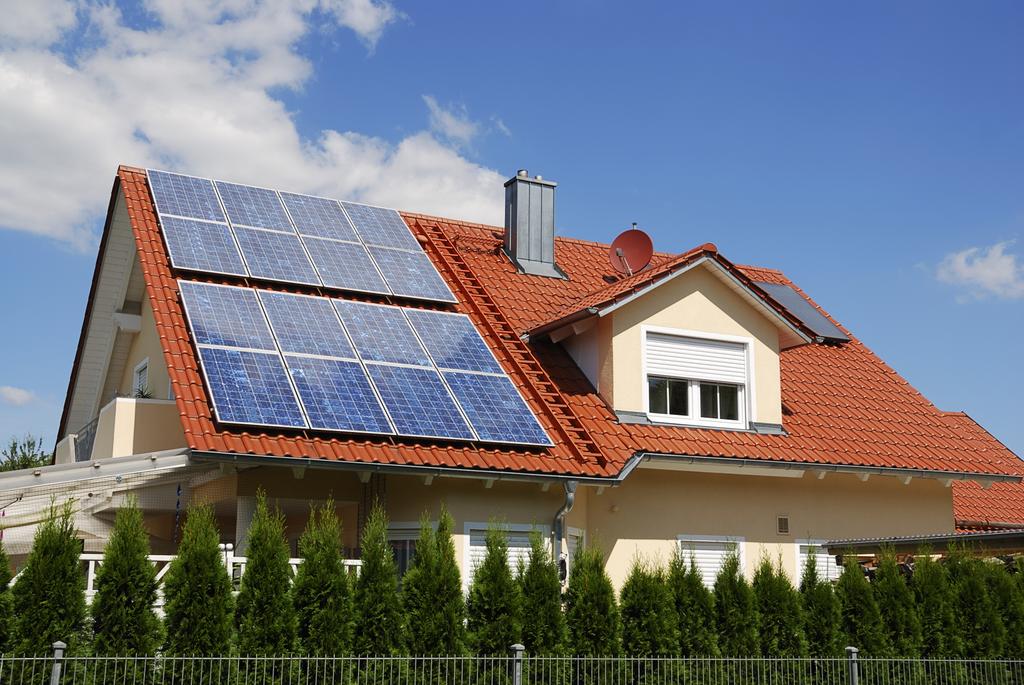
Investing in solar panels is a significant decision for homeowners, especially in sunny Sydney and its surrounding suburbs. With the rising costs of electricity and the growing awareness of environmental issues, many are turning to solar energy as a viable solution. However, understanding what’s covered under a typical solar panel warranty is crucial to protect your investment. Let’s delve into the details of solar panel warranties, what they cover, and how they can benefit you as a homeowner.
Understanding Solar Panel Warranties
When you decide to install solar panels, you’re making a long-term investment. Just like any other major purchase, it’s essential to know what kind of protection you have if something goes wrong. Solar panel warranties can be categorized into several types, each offering different levels of coverage.
Types of Solar Panel Warranties
Product Warranty
This warranty typically covers defects in materials and workmanship. Most manufacturers offer a product warranty that lasts between 10 to 25 years, with some premium brands providing up to 40 years of coverage. For instance, SunPower Maxeon offers an impressive 40-year product warranty, ensuring that their panels are built to last.Performance Warranty
The performance warranty guarantees that your solar panels will produce a certain percentage of their rated output over time. Most manufacturers provide a 25-year performance warranty, assuring homeowners that their panels will still produce at least 80% of their rated output after this period. This is important because solar panels naturally degrade over time, and this warranty helps protect against excessive degradation.Installation Warranty
This type covers the workmanship involved in the installation process. Installation warranties usually last between 1 to 10 years and protect against issues such as faulty wiring or mounting problems that could affect the system’s performance.Inverter Warranty
Inverters are critical components of solar systems, converting DC electricity generated by the panels into AC electricity for home use. Inverter warranties typically range from 5 to 10 years, although some high-quality inverters may offer longer coverage.Extended Warranties
Some manufacturers and installers offer extended warranties that provide additional coverage beyond the standard terms. These can cover more components or provide long-term protection against defects.
Key Components Covered Under Warranties
Understanding what specific parts of your solar system are covered under these warranties is essential for homeowners.
- Solar Panels: The primary focus of both product and performance warranties is on the solar panels themselves. If there are defects or if they fail to produce the promised energy output, you can seek repairs or replacements.
- Inverters: As mentioned earlier, inverters have their own warranties due to their importance in the overall system’s functionality.
- Other Equipment: Additional components like racking systems (which hold the panels) and batteries (if applicable) may also have separate warranties.
Common Exclusions from Warranties
While warranties provide essential coverage, they often come with exclusions that homeowners should be aware of:
- Improper Installation: If your solar panels were not installed correctly, any resulting damage may not be covered under warranty.
- Extreme Weather: Damage caused by severe weather events such as hailstorms or floods may not be covered.
- Neglect or Misuse: If you fail to maintain your solar system properly or use it inappropriately, this could void your warranty.
Factors to Consider When Choosing a Warranty
When selecting a solar panel system, consider these factors related to warranties:
- Manufacturer Reputation: Research the manufacturer’s history and reliability. A company with a solid reputation is more likely to honor its warranties.
- Warranty Terms Comparison: Not all warranties are created equal; compare terms across different brands and installers.
- Read the Fine Print: Always read the details of the warranty carefully to understand what is covered and what isn’t.
Your Rights Under Australian Consumer Law
As an Australian consumer, it’s important to know that you have rights under Australian Consumer Law (ACL). This law provides protections that may extend beyond the manufacturer’s stated warranty, ensuring that products must be fit for purpose and free from defects. If a product fails to meet these standards, you may be entitled to remedies such as repair or replacement.
Making an Informed Decision
Before committing to a solar panel purchase, take time to ask questions and clarify any uncertainties with your installer or manufacturer. Here are some questions you might consider:
- What specific components are covered under each warranty?
- How does the performance warranty work? What happens if my panels underperform?
- Are there any conditions or requirements I need to meet for the warranty to remain valid?
Conclusion
Understanding solar panel warranties is vital for homeowners looking to invest in renewable energy solutions in Sydney and beyond. By familiarizing yourself with the different types of warranties available—product, performance, installation, inverter—and knowing what they cover and exclude, you can make an informed decision that protects your investment over time.
As more Australians embrace solar energy for its environmental benefits and cost savings, being well-informed about warranties will ensure peace of mind in your green energy journey. Remember, choosing quality products backed by solid warranties can lead not only to savings on your electricity bills but also contribute positively towards sustainable living practices in our communities.
By taking these steps now, you’ll be better prepared for any future challenges that may arise with your solar system, ensuring that your investment continues to pay off for years to come.

