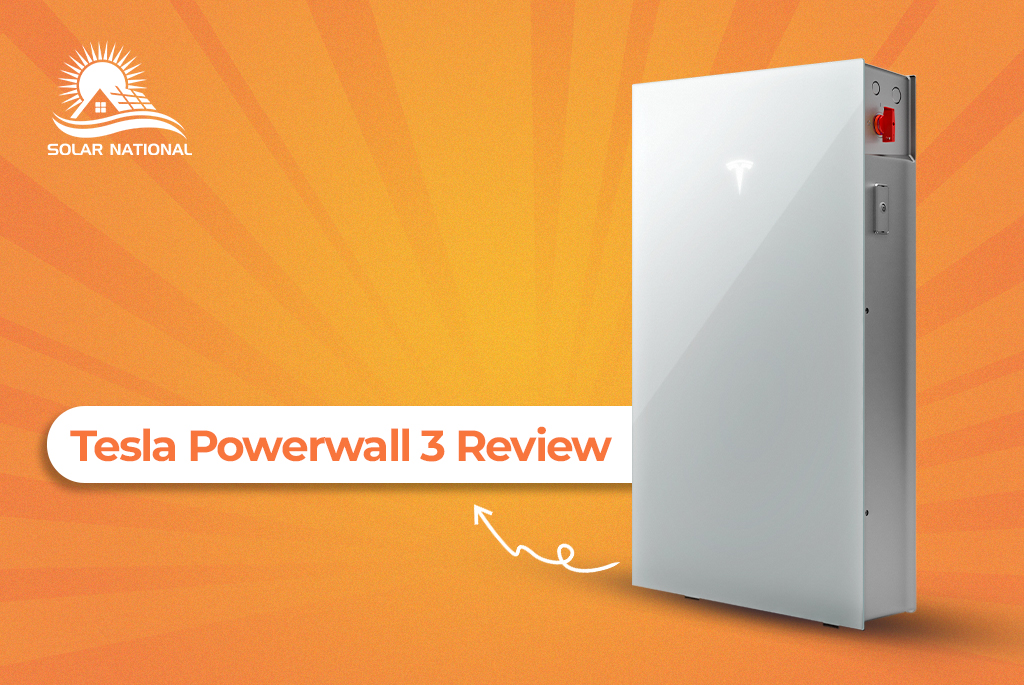
The Tesla Powerwall 3 has entered the Australian market with significant enhancements over its predecessor, aiming to revolutionise home energy storage. For homeowners considering solar system installations, understanding the capabilities and limitations of this new model is crucial. With its integrated inverter and increased power output, the Powerwall 3 promises improved efficiency and reliability.
According to recent data, Tesla has deployed over 750,000 Powerwall units globally, highlighting the growing adoption of home battery systems. This surge reflects a broader shift towards sustainable energy solutions, especially in regions like Sydney, with abundant solar energy. As we delve into this review, we’ll assess whether the Powerwall 3 lives up to its promises and if it’s a worthwhile investment for your home.
What’s New in the Tesla Powerwall 3?
The Tesla Powerwall 3 features a complete redesign in hardware and integration with residential solar systems. Unlike its predecessor, the Powerwall 2, which relied on external inverters, this latest version has a built-in solar inverter. That change alone makes the installation process quicker, cleaner, and often cheaper for those working with a solar company in Sydney.
Here’s what stands out in Powerwall 3:
- 11.5 kW Continuous Power Output: This is more than double the Powerwall 2’s 5 kW. It can run efficiently in larger homes or high-consumption devices like EV chargers and ducted heating/cooling systems.
- 13.5 kWh Storage: It still has the same storage capacity as the Powerwall 2 but with a more efficient architecture for solar-to-battery flow using direct DC coupling.
- Direct Solar Integration: Tesla has improved the system’s efficiency and reduced power losses during conversion by removing the need for third-party inverters.
- Scalability: Up to 40 Powerwall 3 units can be stacked together, giving homeowners and small businesses flexible expansion options.
For those planning a fresh solar system installation, the Powerwall 3 sets a new benchmark in seamless integration and high-output reliability.
Battery Efficiency
One of the most significant technical upgrades in the Tesla Powerwall 3 is its energy efficiency. Thanks to its direct DC-coupled design, the battery system eliminates the need to convert energy multiple times—once from DC to AC, and again from AC to DC. This streamlined architecture boosts the round-trip efficiency to above 90%, meaning more of the solar power your panels produce is stored and reused within your home.
For Sydney households where every kilowatt counts, this high-efficiency design helps maximise energy yield and reduce grid reliance—leading to long-term savings and better solar return on investment.
Peak Power Output
The Powerwall 3 is more than just a storage unit—it’s also built to handle peak energy surges with ease. While its continuous power output is 11.5 kW, it can reportedly deliver even higher bursts of power to support energy-intensive appliances at startup.
This feature is particularly useful when running devices like pool pumps, ducted air conditioners, or EV chargers that require a surge of electricity. The ability to absorb and deliver peak loads without disruption helps the Powerwall 3 stand out in a crowded battery market—offering not just reliability, but performance during high-demand moments.
New LFP Cells
Tesla has also upgraded its internal chemistry with the introduction of Lithium Iron Phosphate (LFP) cells in the Powerwall 3. These cells are safer, longer-lasting, and better suited for frequent cycling compared to older NMC (Nickel Manganese Cobalt) technology.
LFP chemistry reduces the risk of thermal runaway, has a higher tolerance for daily charge and discharge cycles, and is more sustainable due to the reduced use of rare earth elements. For households focused on safety, sustainability, and longevity, this is a quiet but meaningful upgrade.
Redesigned Cooling System
Australia’s hot summers can test any battery’s endurance, but Tesla has factored this into the Powerwall 3’s design with a refined cooling system. It combines passive airflow with active thermal management, allowing the battery to maintain optimal temperatures even during sustained high power draw.
This helps prevent performance dips, extends the battery’s life, and ensures stable energy delivery—even during heatwaves. Whether installed in a shaded area or exposed to warmer temperatures, the Powerwall 3’s thermal resilience makes it a reliable select for Australian homes.
Is Tesla Powerwall 3 Worth It for Sydney Homeowners?
Yes, the Tesla Powerwall 3 is worth it for Sydney homeowners, particularly those installing a new solar system or upgrading to a smarter, more resilient setup. With its built-in inverter and high power output, the Powerwall 3 offers a more compact and efficient solution than previous versions or third-party options.
The value becomes even more apparent when considering Sydney’s consistent solar exposure. The ability to store excess energy during the day and use it at night, or during grid outages, significantly reduces reliance on electricity retailers. Over time, this leads to noticeable savings on power bills, especially under time-of-use tariffs where energy is more expensive in the evening.
Moreover, government-backed incentives, including solar battery rebates and feed-in tariff structures available in New South Wales, significantly enhance the return on investment. Eligible Sydney homeowners may access Federal Government solar rebates that help reduce the upfront cost of installing the Tesla Powerwall 3. When professionally installed by a reputable solar company in Sydney, the Powerwall 3 turns your home into a near self-sufficient energy hub—delivering long-term economic and environmental benefits.
Key Advantages of Tesla Powerwall 3
While the Tesla Powerwall 3 introduces a few retrofit limitations, its advantages are hard to overlook for new installations and future-ready energy systems. These strengths make it stand out in Sydney’s competitive solar battery market.
Top Benefits:
- All-in-One Design: With the integrated inverter, Powerwall 3 reduces installation time, clutter, and compatibility issues—perfect for streamlined setups.
- Superior Load Coverage: With 11.5 kW of continuous output, it powers entire homes, including heavy-load devices, without flickering or lag.
- Peak Usage Optimisation: This system stores solar energy during evening hours when electricity costs spike, helping homeowners maximise savings.
- Long-Term Warranty: Tesla backs it with a solid 10-year warranty and proven battery degradation rates, making it a trustworthy long-term solution.
- Smart Automation: The Tesla app allows users to automate usage patterns based on solar production, tariff rates, and grid conditions.
- Expandability: The ability to stack up to 40 units makes it suitable for large homes or even small business energy needs, so there is no need to switch brands or ecosystems.
These benefits position Powerwall 3 as a strong choice for homeowners seeking a high-performance solution from a proven energy tech leader.
What Are the Disadvantages of Powerwall 3?
The Tesla Powerwall 3’s primary drawbacks include its high upfront cost, lack of retrofit flexibility, and limited compatibility with non-Tesla systems. While it excels in performance, these factors might make it a less attractive option for some homeowners.
Here’s what to consider:
- Cost: The Powerwall 3 is expected to cost between $13,000 and $15,000 including installation. While it includes an integrated inverter, this price is still higher than many other solar batteries in Sydney.
- Not Retrofit-Friendly: Unlike the Powerwall 2, which supports AC coupling, the Powerwall 3 only supports DC input. That means it’s not suitable for homes that already have AC inverters—it requires a complete system overhaul for compatibility.
- Limited Third-Party Compatibility: Tesla’s ecosystem is mostly closed. If you’re using third-party solar panels or monitoring systems, integration could be restricted or non-existent.
- Supply Chain Delays: Like most high-demand Tesla products, early shipments may face delays, especially during high-demand seasons or regulatory changes.
Despite these drawbacks, the Powerwall 3 remains an excellent choice for new solar installations where performance, longevity, and efficiency are top priorities.
Tesla Powerwall 3 Performance in Real Homes
Real-world use of the Tesla Powerwall 3 is beginning to show the results homeowners expect—reliable energy backup, faster solar charging, and significant reductions in grid reliance. Early adopters in Australia, particularly in sunny suburbs of Sydney, report near-full home backup with minimal compromise on daily routines.
Here’s what users are experiencing:
- High Load Handling: The Powerwall 3 can run high-demand appliances—like induction cooktops, air conditioning, and EV chargers—simultaneously without struggling. That’s thanks to its 11.5 kW continuous output capacity.
- Seamless Power Backup: During blackouts, the Powerwall instantly switches from grid to battery. Homes stay powered without interruption, which is increasingly valuable during storm seasons or outages.
- Peak Usage Management: With intelligent scheduling through the Tesla app, users store solar energy during the day and consume it during peak evening hours—avoiding the steepest power rates.
- Extended Runtime: A single unit can often power essentials overnight. For homes using around 20–30 kWh/day, the Powerwall 3 covers most nighttime energy use when paired with an efficient solar system.
With proper setup from an experienced solar company in Sydney, these performance gains translate into monthly savings and long-term reliability.
Early adopters have shared overwhelmingly positive experiences with the Powerwall 3. One Sydney user noted, “Since installing the Powerwall 3, our evening energy bills have nearly vanished. It handles everything — from cooking to air conditioning — without a hiccup.” Another homeowner shared, “We had a blackout last month, and the switch to backup power was so seamless, we didn’t even notice until the neighbours mentioned the outage.” These reviews highlight how the Powerwall 3 is delivering real-world reliability and savings for Australian families.
Installation and Maintenance Expectations
Installing the Tesla Powerwall 3 is smoother than installing previous models, largely due to the built-in solar inverter. For homeowners working with a licensed solar company in Sydney, this can mean faster installations, reduced equipment complexity, and lower labour costs.
Installation Process Overview:
- Pre-Installation Assessment: A site inspection evaluates your existing electrical infrastructure, solar array (if any), and daily power usage.
- System Design: The system is custom-built to match your load profile and available roof space, ensuring optimal battery performance.
- Installation Time: Typically completed in one day, but may extend if switchboard upgrades or multiple units are installed.
Maintenance Requirements:
- No Regular Servicing Needed: Powerwall 3 is sealed and maintenance-free for users. Tesla provides remote diagnostics and over-the-air updates.
- Monitoring Tools: Through the Tesla app, you can monitor energy usage, battery health, solar input, and grid draw in real-time.
- Warranty: Comes with a 10-year warranty guaranteeing at least 70% battery capacity retention—backed by Tesla’s performance track record.
For those opting for new solar system installation, the Powerwall 3 offers a cleaner, more efficient install that’s easier to maintain over the long term.
Powerwall 3 vs Powerwall 2 Comparison
Choosing between the Powerwall 3 and Powerwall 2 depends on your current solar setup and whether you’re starting fresh or retrofitting. While both offer 13.5 kWh of usable capacity, they differ drastically in system design, power output, and installation suitability.
Here’s a side-by-side breakdown:
| Feature | Powerwall 2 | Powerwall 3 |
| Usable Capacity | 13.5 kWh | 13.5 kWh |
| Continuous Power | 5 kW | 11.5 kW |
| Integrated Inverter | No | Yes |
| Coupling Type | AC Coupling | DC Coupling |
| Retrofit Suitability | High (fits most systems) | Low (best for new systems) |
| Scalability | Up to 10 units | Up to 40 units |
| Efficiency | Moderate (inverter loss) | High (direct DC solar input) |
Verdict:
If you’re installing a new system with a solar company in Sydney, the Powerwall 3’s integrated inverter and superior output make it the logical choice. However, the Powerwall 2 remains a strong and more affordable alternative if you already have an AC-coupled solar setup.
Powerwall 3 Key Features Summary
Tesla has taken a bold step forward with the Powerwall 3, refining its hardware and functionality to serve energy-conscious homeowners better. This model is built for those seeking top-tier performance with a simplified installation process.
Here’s a quick recap of standout features:
- Built-In Solar Inverter: Eliminates the need for external inverters, reducing system complexity and cost.
- 11.5 kW Continuous Power Output: Handles entire home loads—even during peak use.
- 13.5 kWh Usable Capacity: Ideal for overnight energy needs or during grid outages.
- Direct DC Solar Input: Improves efficiency by avoiding conversion losses.
- Expandable Design: Connect up to 40 units for high-demand homes or commercial setups.
- Smart Monitoring: Real-time energy tracking and automation through the Tesla app.
- All-Weather Durability: IP67 rating and thermal regulation built for Australia’s climate.
These features make the Powerwall 3 a compelling option for those serious about long-term savings and energy independence in Sydney.
Should You Buy the Tesla Powerwall 3?
If you’re planning a new solar system installation or want the most integrated and powerful battery option available, the Tesla Powerwall 3 is a smart investment. It’s designed for homes with high energy needs and those aiming for long-term grid independence in Sydney’s sunny climate.
Who should consider it:
- Homeowners installing a full solar system from scratch
- Households using high-powered appliances like EV chargers or ducted AC
- Property owners wanting a sleek, all-in-one storage and inverter solution
- Those seeking to reduce peak energy bills and blackouts
Who might not benefit:
- Homes with existing AC inverters looking for a retrofit battery
- Households with low energy use where a simpler, lower-cost battery suffices
- Buyers on tight budgets who can’t access local battery incentives
Overall, the Powerwall 3’s performance, reliability, and simplified installation make it one of the most advanced solar batteries Sydney homeowners can install today—especially when paired with expert installation by a trusted solar company in Sydney.
Conclusion:
The Tesla Powerwall 3 signifies a significant leap forward in home energy storage, particularly for Sydney residents looking to future-proof their solar investments. With its powerful 11.5 kW output, built-in inverter, and enhanced energy efficiency, it’s more than just a battery—it’s a complete home energy solution.
While the higher upfront cost and limited retrofit compatibility may deter some, the long-term savings, performance reliability, and grid independence it offers make it a compelling choice for new installations. When paired with Sydney’s abundant sunshine and local incentives, the Powerwall 3 can turn your home into a self-sustaining energy powerhouse.
If you’re considering a new solar system or want a smarter, more resilient way to power your home, the Tesla Powerwall 3 stands out as one of the best solar batteries available in Australia today.
FAQ:
What makes the Tesla Powerwall 3 different from Powerwall 2?
The Tesla Powerwall 3 offers a major upgrade with an 11.5 kW continuous power output—more than double that of the Powerwall 2. It also includes a built-in solar inverter and uses direct DC coupling, which improves overall energy efficiency and simplifies installation for new solar systems.
How much does the Tesla Powerwall 3 cost in Australia?
While prices vary depending on the installer and system configuration, the Tesla Powerwall 3 typically costs between $13,000 and $15,000 including installation. This price includes the integrated inverter, which helps reduce the need for additional hardware.
Can the Tesla Powerwall 3 be retrofitted to an existing solar system?
Not easily. The Powerwall 3 is designed for DC-coupled systems, making it best suited for new installations. If you have an existing AC inverter setup, the Powerwall 2 may be a better option unless you’re planning a complete system upgrade.
Is the Powerwall 3 worth it for Sydney homeowners?
Yes, especially for those installing a new solar system. Sydney’s consistent solar exposure and time-of-use energy tariffs make the Powerwall 3 a smart investment. It helps reduce reliance on the grid, provides blackout protection, and maximises solar savings over time.
How many Powerwall 3 units can I install at once?
You can stack up to 40 Powerwall 3 units, making it suitable for large households, high-energy users, or small commercial operations looking to maximise energy storage capacity.
What’s the lifespan and warranty of the Powerwall 3?
Tesla backs the Powerwall 3 with a 10-year warranty, guaranteeing at least 70% battery capacity retention. Its Lithium Iron Phosphate (LFP) cell chemistry also ensures a longer lifespan with more frequent daily cycling compared to older technologies.
Does the Powerwall 3 work during a blackout?
Absolutely. The Tesla Powerwall 3 automatically switches to backup power in the event of a grid outage, ensuring uninterrupted electricity for your essential appliances and systems—especially important during Sydney’s storm season or summer heatwaves.
Can I monitor the Powerwall 3 from my phone?
Yes. The Tesla app allows full monitoring and control of the Powerwall 3. You can track energy usage, solar generation, grid draw, and battery health in real-time, and even automate usage to align with peak tariff rates.