


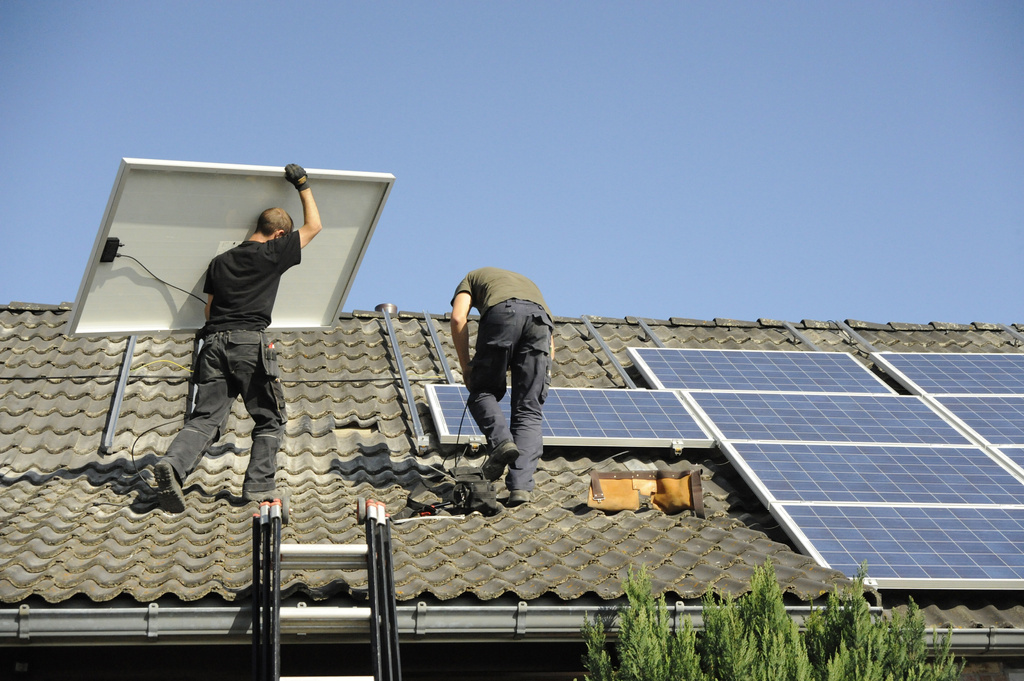
Hey there, Sydney homeowners! Thinking about solar panels or already enjoying their benefits? It’s awesome to tap into clean energy, but have you ever wondered how the seasons affect your solar panel’s performance? Let’s dive into how your solar system responds throughout the year and how you can make the most of it.
Solar panels are a fantastic investment for any home, helping to reduce your carbon footprint and lower those pesky electricity bills. But to really maximize your investment, it’s super helpful to understand how seasonal changes impact their efficiency.
Key Points
- Seasonal Changes in Sunlight: The length of daylight hours varies dramatically between summer and winter, directly impacting solar panel output.
- Temperature Influence on Efficiency: Solar panels have an optimal operating temperature, and efficiency can decrease when temperatures get too high.
- Weather Conditions and Performance: Cloud cover, rain, and even snow can affect how much sunlight your panels absorb.
Seasonal Changes in Sunlight
The Earth’s tilt is the reason why we experience different seasons. During the summer, the Northern Hemisphere is tilted towards the sun, resulting in longer days and more direct sunlight. In winter, the opposite occurs: days are shorter, and the sun sits lower in the sky.
In Sydney, this means your solar panels will be basking in sunlight for many hours during the summer months, usually between 10 am to 4 pm. But come winter, those sunny hours dwindle, reducing the amount of energy your panels can generate.
Summer vs. Winter Sunlight
- Summer: In Sydney, you can expect around 14-15 hours of daylight during peak summer months (December to February). This abundance of sunlight means that your solar panels can produce a significant amount of energy—often enough to cover most of your household needs and even export some back to the grid.
- Winter: Conversely, winter months (June to August) see daylight hours drop to about 9-10 hours. This reduction can lead to a decrease in solar energy production by up to 80%. It’s crucial to understand this variation so you can plan accordingly.
Temperature Influence on Efficiency
Here’s a fun fact: solar panels actually work best when they’re cool! The optimal temperature for solar panels is around 25 degrees Celsius. When temperatures rise above this, the efficiency of your panels can decrease. This is because high temperatures can cause the electrons within the panels to become overactive, reducing the overall voltage that the panel can generate.
So, while you might think that summer is the best time for solar panels due to increased sunlight, excessive heat can actually reduce their efficiency. On the other hand, cooler winter temperatures can help maximize panel efficiency during limited daylight hours.
Understanding Temperature Effects
- Optimal Temperature: Around 25 degrees Celsius is ideal for maximum efficiency.
- High Temperatures: When temperatures exceed this threshold (especially common during Sydney’s hot summers), solar panel performance can drop by about 10% or more. This means that even on sunny days, if it’s too hot outside, your solar energy production may not reach its full potential.
- Cooler Temperatures: During winter months when temperatures are cooler (even if it’s cloudy), solar panels can perform better than expected because they are operating closer to their optimal temperature range.
Weather Conditions and Performance
Weather conditions play a significant role in solar panel performance. Cloud cover, rain, and snow can all reduce the amount of sunlight that reaches your panels, decreasing their energy output.
In Sydney, winter months often bring more cloudy days which can further reduce energy generation. However, sunny winter days can still yield considerable energy if conditions are favorable.
Cloudy Days vs. Sunny Days
- Cloud Cover: On cloudy days, solar panels can still produce energy—typically around 10-25% of their rated capacity—but this is significantly less than on sunny days. Homeowners should be aware that consistent cloud cover during winter may lead to lower overall energy production.
- Rain: Surprisingly, rain doesn’t usually impact panel performance negatively; in fact, it can help keep them clean and free from dirt or debris that might block sunlight. It’s also worth noting that rain does not significantly reduce output unless it’s accompanied by heavy clouds.
- Snow: While snow accumulation on panels can block sunlight completely when it covers them entirely, it usually melts off quickly due to the heat generated by the panels themselves. In Sydney’s climate, heavy snowfall is rare but worth considering if you live in higher elevations or nearby areas.
Maximizing Energy Production Year-Round
Optimal Panel Positioning
The location of your panels on your roof impacts their efficiency. Panels should be placed on the side of the roof that receives the most sunlight and is unimpeded by shade from trees or nearby buildings. In Australia, panels perform best when they are positioned at an angle that maximizes exposure throughout the day.
- Tilt Angle: The ideal tilt angle for solar panels varies depending on your geographical location. For Sydney homeowners, a tilt angle between 30° and 35° is generally recommended for optimal year-round performance.
- Avoiding Shade: Regularly trim trees or shrubs that may cast shadows on your solar array during peak sun hours. Even partial shading can significantly reduce output.
Regular Maintenance and Monitoring
Regularly checking your panels for any debris or shading that could be affecting their performance is essential for maintaining efficiency.
- Cleaning Panels: Dust and grime accumulation can block sunlight from reaching your panels. Rain often helps with cleaning; however, if you notice significant buildup (especially after dry spells), consider giving them a gentle wash with water or hiring a professional service.
- Monitoring Energy Production: Most modern solar systems come with monitoring software that allows you to track energy production in real-time. Keeping an eye on this data helps identify any dips in performance that may signal maintenance needs or other issues.
Consider a Larger Solar Panel System
If you’re looking for long-term benefits from your solar installation, consider investing in a larger system. A bigger system means you have more capacity to generate electricity during peak summer months when production is at its highest.
- Overproducing Energy: A larger system allows you to overproduce energy during summer months and export excess back to the grid (if applicable). This excess generation helps offset lower production levels during winter months.
- Financial Incentives: Check with local providers about feed-in tariffs or government incentives available for exporting excess energy back into the grid—this could add up significantly over time!
Energy Storage Solutions
One of the best ways to overcome seasonal fluctuations in solar panel efficiency is to incorporate a battery system into your solar setup. A battery allows you to store excess energy generated during peak production times (like sunny summer days) and use it when production is lower (like cloudy winter days or at night).
Benefits of Battery Systems
Investing in a battery storage system offers several advantages:
- Store Excess Energy: You can store surplus energy produced during sunny days instead of sending it back to the grid.
- Reduce Reliance on Grid Electricity: By using stored energy during high-demand times (like evenings), you decrease reliance on grid electricity and save money on utility bills.
- Increase Self-Sufficiency: Battery systems enhance self-sufficiency by allowing homeowners to rely less on external power sources—perfect for those wanting greater control over their energy use!
Financial Implications
While there is an upfront cost associated with installing battery systems along with solar panels, many homeowners find that these systems pay off over time through reduced electricity bills and potential savings from government incentives.
- Return on Investment (ROI): Depending on usage patterns and electricity costs in Sydney, many homeowners see ROI within several years after installation.
- Government Rebates: Research available rebates or incentives for battery storage systems offered by local authorities—these could significantly offset initial costs!
Local Examples
Let’s consider a typical household in Sydney. During summer months like January or February, their solar panels might generate enough electricity to cover all their needs while exporting excess back to the grid—this means they could receive credits towards future bills!
However, come winter (June through August), their solar production might only cover a portion of their energy consumption due to shorter days and increased cloudiness. By incorporating a battery system into their setup:
- They could store excess energy generated during sunny summer days.
- Use that stored power during cloudy winter months when production dips significantly.
- Ultimately save money while ensuring they remain powered year-round!
Conclusion
Understanding how seasonal changes affect your solar panel efficiency is crucial for maximizing your investment. By being aware of sunlight hours variation throughout different seasons as well as temperature fluctuations impacting performance levels—you’ll be better equipped to make informed decisions about optimizing usage effectively!
Whether it’s adjusting panel positioning based on seasonal shifts or investing in battery storage solutions—there are plenty of ways homeowners like yourself can ensure maximum benefits from installed systems regardless of what Mother Nature throws at us!
Thinking about making the switch to solar or want help optimizing your existing system? Reach out today! Local experts are eager to provide personalized advice tailored specifically towards enhancing efficiency while saving money along this exciting journey toward sustainable living!