


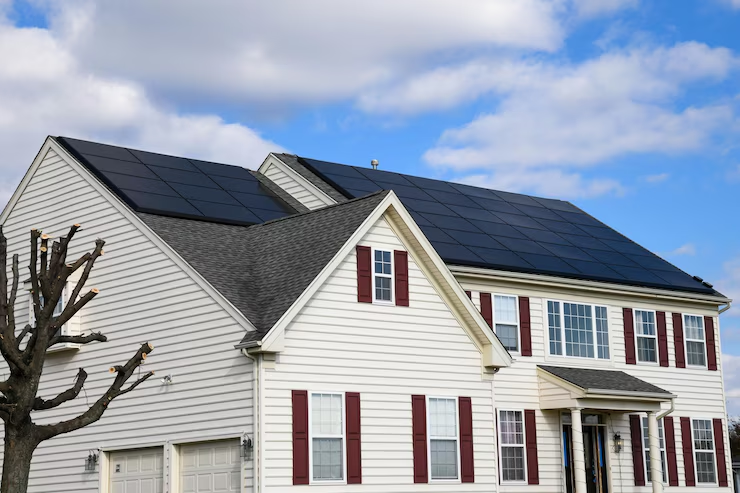
Australia’s unique climate, characterized by its extremes, presents numerous challenges, especially when it comes to natural disasters. From bushfires and floods to severe storms, these events can lead to significant power outages, disrupting daily life and posing safety risks. As a homeowner in Sydney or the surrounding suburbs, it’s crucial to consider how solar panels can enhance your disaster preparedness. This article explores how solar energy systems not only provide reliable power during emergencies but also contribute to a more resilient home.
Understanding the Importance of Solar Panels
Solar panels are devices that convert sunlight into electricity. They have gained popularity in Australia due to their ability to provide clean, renewable energy. However, their role extends beyond just reducing electricity bills; they can significantly enhance disaster preparedness.
Energy Independence
One of the most significant advantages of solar panels is energy independence. When natural disasters strike, traditional power grids often fail, leaving homes without electricity for extended periods. Solar panels allow homeowners to generate their own power, reducing reliance on the grid. This capability is especially vital during emergencies when external power sources may be compromised.
Continuous Power Supply
Solar energy systems equipped with batteries can store excess energy generated during sunny days. This stored energy can be utilized during power outages, ensuring that essential systems remain operational. For instance, lighting, refrigeration, and communication devices can continue functioning when the grid goes down. This uninterrupted power supply is crucial for maintaining safety and comfort during emergencies.
Enhancing Emergency Response
Solar-powered systems play a pivotal role in bolstering emergency response mechanisms. They can support critical infrastructure such as hospitals and emergency shelters, ensuring continuity in vital services during crises. Mobile solar generators and portable solar kits enable first responders to operate efficiently in remote or disaster-stricken areas where access to conventional power infrastructure may be compromised.
Off-Grid Solutions
For homeowners looking to maximize their disaster preparedness, off-grid solar systems offer an excellent solution. These systems are designed to operate independently of the traditional power grid, providing reliable energy even in the most challenging conditions. By investing in an off-grid solar solution, you can ensure that your home remains powered during emergencies.
Building Resilient Infrastructure
Integrating solar power into infrastructure development forms a cornerstone of disaster resilience planning. By incorporating solar panels into public buildings and critical facilities, communities can reduce reliance on centralized power grids. This approach fortifies against disruptions caused by natural disasters and enhances overall community resilience.
Community Empowerment
At the heart of disaster resilience planning lies community empowerment. Solar initiatives not only provide communities with access to clean and sustainable energy but also foster self-reliance. Community-led solar projects enable Australians to harness the abundant energy of the sun to build stronger neighborhoods capable of withstanding the impacts of natural disasters.
Environmental Sustainability
Beyond its immediate benefits for disaster resilience, solar power aligns with Australia’s commitment to environmental sustainability. As a renewable energy source, it mitigates greenhouse gas emissions and reduces reliance on fossil fuels. By investing in solar infrastructure, Australia can simultaneously enhance disaster resilience while advancing its goals for a greener future.
Preparing Your Home for Emergencies
As a homeowner in Sydney or its suburbs, there are several steps you can take to prepare your home for emergencies using solar panels.
Risk Assessment
Start by evaluating the specific risks your area faces—whether it’s bushfires, floods, or severe storms. Understanding these risks can help tailor your solar system to meet your disaster preparedness needs effectively.
System Sizing
Ensure your solar system is adequately sized to handle essential loads during a disaster. This includes lighting, refrigeration, medical equipment, communication devices, and water pumps. Consider consulting with local experts who can help determine the appropriate system size based on your unique requirements.
Installation and Maintenance
Proper installation and regular maintenance are crucial for ensuring your solar system’s efficiency and longevity. In areas prone to extreme weather conditions like bushfires or heavy storms, it’s essential to choose high-quality panels that are certified for durability and safety.
Protecting Your Solar Investment
To maximize the benefits of your solar system during emergencies, consider implementing protective measures:
Fire Resistance
In bushfire-prone areas like many parts of Sydney, selecting fire-resistant solar panels is essential. Look for panels certified with fire safety standards such as IEC 61730. These certifications ensure that the panels can withstand high temperatures and resist fires effectively.
Surge Protection
During storms or extreme weather events, using surge protectors can help safeguard your solar system from lightning strikes and power surges that may cause damage.
Flood Preparedness
If you live in an area susceptible to flooding, it’s crucial to have a plan in place for your solar system during such events. Ensure that you know how to isolate your system safely before floodwaters rise.
The Role of Solar Batteries
Solar batteries play a critical role in enhancing disaster readiness for homes equipped with solar panels. They store excess energy generated by your solar system during sunny days for use when the grid is down or during nighttime hours.
Uninterrupted Power Supply
With a properly sized battery system, you can keep essential appliances running even when external power sources fail. This capability is invaluable during emergencies when access to food storage or medical devices may be necessary.
Proactive Disaster Preparedness
Investing in solar batteries allows homeowners to take a proactive approach toward disaster preparedness by ensuring reliable access to power at all times.
Conclusion: Embracing Solar Power for Safety
In conclusion, integrating solar panels into your home’s energy strategy is not just about saving on electricity bills; it’s about enhancing safety and resilience against natural disasters. With their ability to provide continuous power supply during emergencies and reduce reliance on traditional grids, solar panels are an essential component of any disaster preparedness plan.
As climate change continues to increase the frequency of extreme weather events in Australia, now is the time for homeowners in Sydney and surrounding suburbs to consider investing in solar technology. By doing so, you not only contribute to environmental sustainability but also ensure that your home remains safe and powered even when nature strikes unexpectedly.
Embrace the benefits of solar energy today—it’s an investment in both your home’s future and your family’s safety!

