



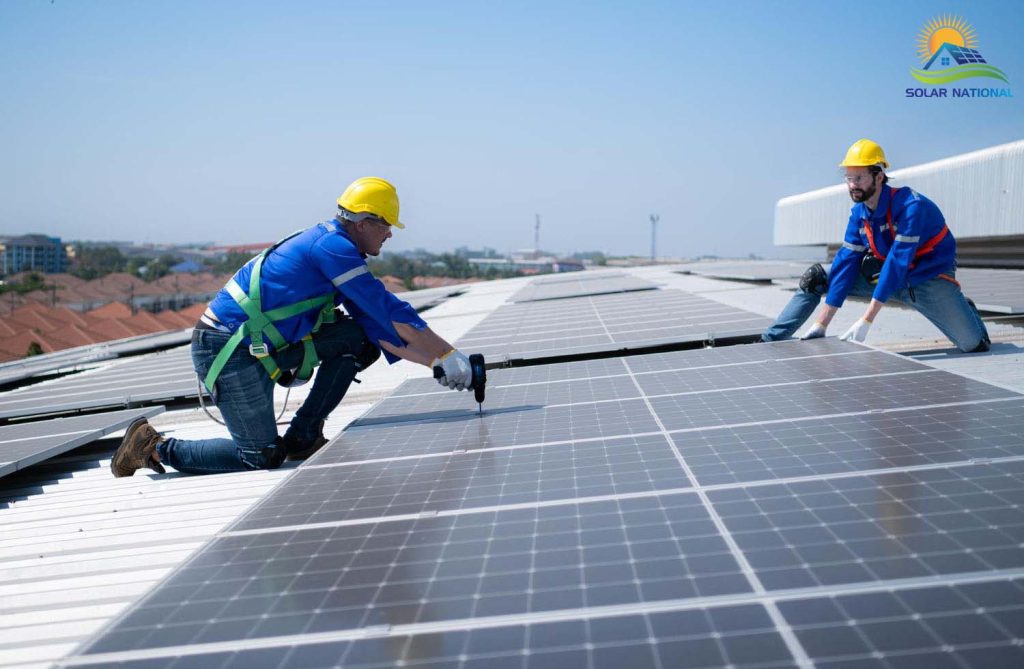
Switching to solar energy is a smart move that can save you money while benefiting the environment. With global solar power capacity reaching nearly 1 terawatt in 2023, more people are turning to this renewable energy source than ever before.
However, some mistakes can be made during a solar power installation procedure which can be costly in the longer run. In this article, we will cover the top 10 mistakes to avoid to make sure your journey to clean energy is smooth and efficient.
1. Underestimating Energy Needs
A common mistake during solar power installation is underestimating your household’s energy consumption. While it’s tempting to choose a smaller system to save money, insufficient energy output can leave you reliant on grid power, ultimately reducing the cost-saving benefits of solar.
Energy Audit: Conduct an energy audit to understand your average monthly consumption. This audit should factor in seasonal variations.
Future Expansion: Consider future energy needs, such as the addition of electric vehicles or new appliances, when sizing your system.
Usage Patterns: Track your energy usage patterns to identify peak consumption hours.
2. Choosing the Wrong Installer
Selecting the wrong installer in Sydney can lead to subpar workmanship, system inefficiencies, or even safety hazards. It is crucial to research thoroughly before signing a contract. Taking enough time to choose your options and comparing them before selecting an ideal installation provider is necessary.
Accreditation and Experience: Verify that the installer is accredited by the Clean Energy Council (CEC) and has sufficient experience with similar-sized installations.
Customer Reviews: Read online reviews and ask for customer references to assess their reputation.
Warranty and After-Sales Support: Ensure the installer offers a comprehensive warranty and reliable after-sales support.
3. Ignoring Local Regulations
Sydney, like the rest of New South Wales, has specific regulations governing solar power installations. Ignoring these rules can lead to fines, delays, or even the removal of your solar panels. You can acquire more information on local regulations from the authority’s official website.
Council Approvals: Some local councils require specific approvals for solar installations, particularly if your home is in a heritage area or if panels are visible from the street.
Network Connection Standards: Adhere to Ausgrid or Endeavour Energy’s requirements for connecting to the grid.
Clean Energy Council Guidelines: Ensure your system complies with the CEC guidelines for solar installations, particularly regarding panel placement, inverter selection, and safety standards.
4. Improper Panel Placement
Proper panel placement is crucial in a unique climate and the need to maximise sun exposure. Poor positioning can significantly reduce your solar system’s efficiency.
Optimal Angle and Direction: In Sydney, solar panels should ideally face north and be installed at an angle of around 30 degrees to maximise sun exposure throughout the year.
Shade Issues: Avoid placing panels in shaded areas. Even partial shading from trees, chimneys, or nearby buildings can drastically reduce efficiency.
Roof Structure and Space: Consider your roof’s structural integrity and available space to ensure optimal panel arrangement.
5. Settling on Low Quality
Choosing low-quality solar equipment to save money initially can cost more in the long run due to reduced efficiency, frequent maintenance, and a shorter lifespan.
Panel Quality: Invest in high-quality solar panels with proven efficiency and durability. Look for Tier 1 panels from trusted manufacturers.
Inverter Quality: The inverter is the heart of your solar system. Choose a reliable brand with a solid warranty.
Mounting Hardware: Robust mounting hardware ensures your panels remain secure during extreme weather conditions common in Sydney.
Research Brands: Research panel and inverter brands for performance, warranty, and customer reviews. Popular brands in Australia include LONGi, SunPower, Fronius, etc.
Check Certifications: Ensure panels are CEC-approved and meet international standards like IEC 61215 or IEC 61730.
Avoid Counterfeits: Only buy equipment through accredited installers to avoid counterfeit products.
6. Overlooking Roof Compatibility
Not every roof is ideal for solar panels. Ignoring your roof’s structural compatibility can lead to mounting challenges, reduced efficiency, or even safety risks.
Roof Condition: If your roof is old or damaged, it may need repairs or replacement before installing solar panels.
Material Compatibility: Some roofing materials, like slate or asbestos, can complicate installation and require specialised mounting systems.
Roof Shape and Space: Ensure your roof has enough unobstructed space for the desired solar system size, considering chimneys, vents, and skylights.
7. Lack of a Monitoring System
A solar system without a monitoring system is like flying blind. Without it, you’re unable to track the system’s performance, detect issues, or optimise energy usage.
Performance Tracking: Monitoring allows you to track energy production and consumption, identifying peak production times.
Fault Detection: Quickly detect faults, drops in efficiency, or shading issues that may otherwise go unnoticed.
Energy Optimisation: Use data insights to adjust energy consumption patterns, maximising your solar savings.
8. Not Considering Battery Storage
While Sydney’s net metering system allows you to sell excess solar energy back to the grid, a solar battery storage system offers additional benefits, including energy independence and backup power.
Energy Independence: Battery storage enables you to use solar energy at night or during cloudy days, reducing reliance on the grid.
Backup Power: During power outages, batteries can provide crucial backup power, keeping essential appliances running.
Peak Demand Management: Store energy during off-peak hours and use it during peak hours to avoid high electricity rates.
Learn more about solar power installation in our comprehensive guide.
To sum up,
Remember to conduct a thorough energy audit, work with CEC-accredited installers, and follow local guidelines. Prioritise quality equipment, ensure proper panel placement, and consider battery storage for maximum energy independence. Lastly, don’t overlook the importance of monitoring and maintenance plans.
With careful preparation, your solar journey will lead to a greener, more cost-effective future. Contact us for your free custom quote today.