


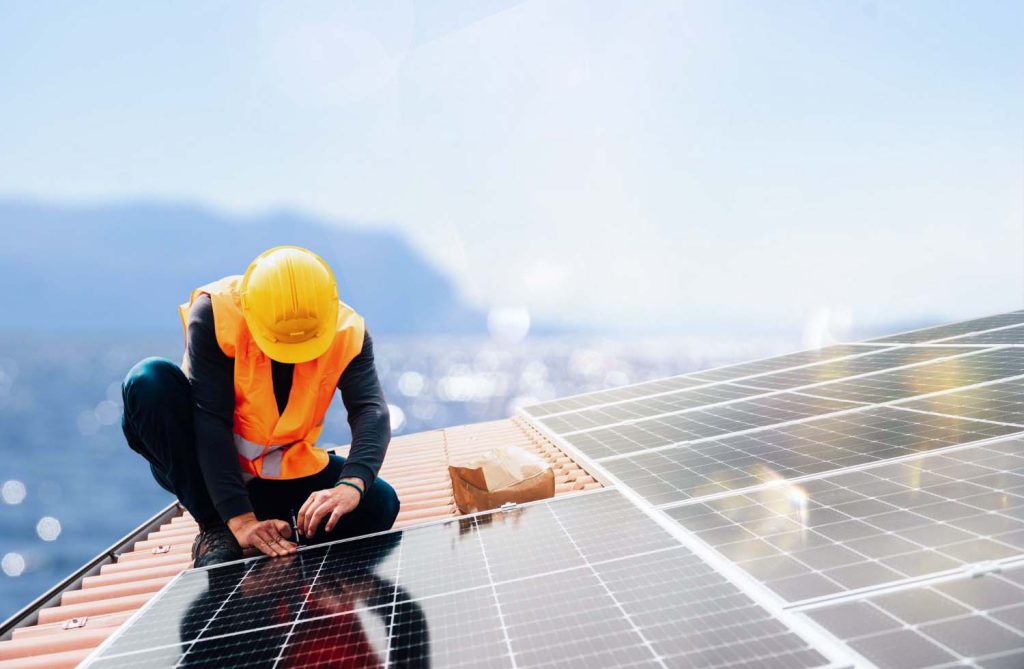
As we become more conscious of our energy consumption and its impact on the environment, solar panels for home usage have surged in popularity. These renewable energy powerhouses are not just for tech enthusiasts or environmental advocates; they’re for anyone interested in reducing utility bills and increasing their property’s value. The adoption of residential solar panels represents a significant step towards self-sufficiency and environmental stewardship.
This article will help you understand the ins and outs of choosing, installing, and benefiting from solar energy. Whether you’re completely new to the idea of solar power or looking to expand your existing setup, you’ll find valuable insights and practical advice to make the most of your solar investment.
Understanding Solar Panels for Home Use
When we talk about solar panels for home, we’re referring to systems specifically designed to meet the energy demands of residential properties. Unlike their commercial counterparts, which are often larger and serve more intensive energy needs, residential solar panels are scaled to fit on rooftops and operate efficiently within the energy usage typical of a household.
Solar modules convert sunlight directly into electricity through photovoltaic (PV) cells. These cells are usually made from silicon, which acts as a semiconductor. When sunlight hits the PV cells, it causes electrons to move, creating an electric current. This electricity can then be used to power your home, store in batteries for later use, or even feed back into the grid, often resulting in credits from your utility company.
The efficiency of solar panels has significantly improved over the years, making them an even more appealing option for homeowners. Modern residential solar panels can convert more than 20% of the sunlight they capture into usable energy. This high efficiency means that even homes with limited roof space can generate a substantial amount of their own electricity.
Benefits of Installing Home Solar Panels
Installing solar panels for properties is not just a sound financial decision; it’s a choice that significantly benefits the environment. Here’s why many homeowners are choosing to go solar:
Energy Savings Over Time
One of the most compelling reasons to install residential solar panels is the potential for substantial energy savings. Once you’ve covered the initial installation costs, the electricity generated by your solar panels comes at no extra charge. Depending on your local climate and the efficiency of your system, you can significantly reduce or even completely eliminate your electric bills.
Environmental Impact and Sustainability
By choosing solar energy, you’re reducing your reliance on fossil fuels, the primary cause of air pollution and climate change. Solar modules for home use produce clean, renewable energy, which means fewer greenhouse gas emissions and a smaller carbon footprint. Every kilowatt-hour of solar power significantly reduces emissions of carbon dioxide and other harmful pollutants.
Increase in Property Value
Numerous studies have shown that homes equipped with solar energy systems have higher property values and sell more quickly than non-solar homes. Buyers are increasingly looking for properties that offer energy efficiency and lower operating costs, making residential solar panels a wise investment in the real estate market.
Choosing the Right Solar Panels for Your Home
Selecting the right solar panels for home use is crucial for maximising your investment and ensuring your system meets your energy needs. Here are several factors to consider to help you make the best choice:
Roof Size and Orientation
Before installing these modules, evaluate the size and orientation of your roof. Solar panels perform best on roofs that have enough space and receive ample sunlight throughout the day. South-facing roofs typically yield the best results in the Northern Hemisphere, but panels can also be installed on east or west-facing roofs with good results.
Local Climate
The amount of sunlight your home receives is heavily influenced by your local climate. While solar panels are effective even on cloudy days, regions with high amounts of sunshine annually will naturally generate more electricity. Assessing your local weather patterns can help you predict the efficiency of your solar setup.
Types of Solar Panels:
Monocrystalline Solar Panels: These panels are made from a single, continuous crystal structure and are known for their high efficiency and sleek appearance. They perform well in both bright and low-light conditions.
Polycrystalline Solar Panels
Made from fragments of silicon crystals melted together, these panels are slightly less efficient than monocrystalline but offer a more affordable price point.
Thin-Film Solar Panels
These panels are made from layers of photovoltaic material placed on a solid base. They are the least efficient of the three but are flexible and versatile, suitable for situations where traditional panels might not be the best fit.
Pre-Installation Assessment
The first step is a detailed home assessment by a certified solar installer. This evaluation will consider your home’s electrical status, roof condition, and overall energy needs. This assessment ensures that the solar panel system is tailored specifically to your home’s requirements and that your roof structure can support the installation.
Installation Day
On the day of installation, the solar provider will begin by setting up the mounting system, which holds the panels in place. After the mounts are secured, the solar panels themselves are installed on the mounts. This step must be done with precision to ensure the panels are well-secured and aligned for optimal sun exposure.
Electrical Connections
Following the physical installation of the panels, electrical wiring is conducted. This involves connecting the solar panels to an inverter, which converts the direct current (DC) electricity generated by the panels into alternating current (AC) electricity that can be used by your home appliances. Proper wiring is essential for safety and efficiency.
Connection to the Power Grid
After the installation and wiring, your system will need to be connected to the power grid. This connection is overseen by your local utility company and includes the installation of a net metering system. Net metering allows you to feed electricity back into the grid when your panels produce more power than your home needs, often resulting in credits on your utility bill.
Final Inspection and Activation
The final step is a thorough inspection by local building inspectors and, possibly, representatives from your utility company. This inspection must confirm that the installation meets all local codes and standards. Once approved, your system is activated, and you can start generating your own clean, renewable energy.
Each of these steps is designed to ensure that your residential solar panel system is installed correctly and safely, maximising its potential to reduce your energy bills and environmental impact.
Read more about the installation by referring to this article – Step By Step Guide to Solar Panels Installation
Conclusion
Choosing to install solar panels for home use is more than just a financial investment; it’s a commitment to a sustainable lifestyle and a step towards energy independence. As we’ve explored, the benefits of residential solar panels range from significant savings on electricity bills and increased property value to a profound positive impact on the environment by reducing carbon emissions.
Looking to switch to solar? Our experts are ready to guide you from selecting the right solar panel to complete installation. Contact us today for your custom free quote.

