



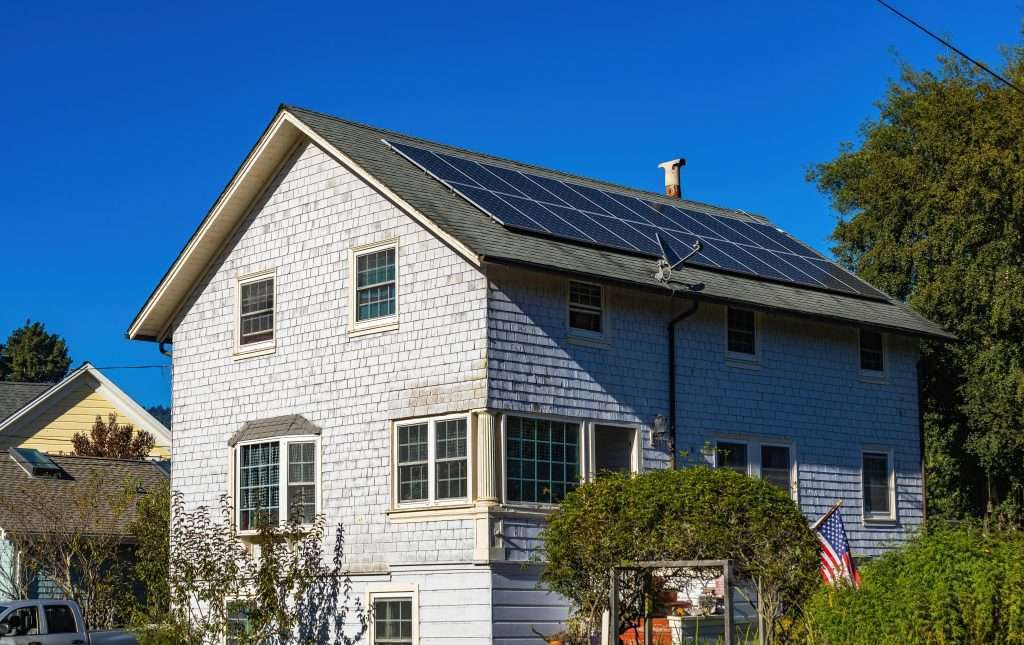
When considering solar panel installation in Sydney and the surrounding suburbs, understanding the necessary permits and paperwork is essential. The process can seem overwhelming, but knowing what to expect can make it much easier. This guide will walk you through everything you need to know about permits and paperwork for installing solar panels, ensuring a smooth transition to renewable energy.
What You Need to Know About Solar Panel Installation Permits in Sydney
In New South Wales (NSW), the rules governing solar panel installations have been designed to encourage homeowners to adopt renewable energy solutions. Generally, many standard installations do not require extensive council approval, making it easier for residents to switch to solar energy.
When is Council Approval Needed for Solar Panel Installations?
For most residential solar panel installations in NSW, council approval is not necessary. Thanks to the State Environmental Planning Policy (SEPP) (Infrastructure) 2021, many installations are classified as “exempt development.” This means that if your system is smaller than 10 kW, you typically won’t need to go through a lengthy approval process.
However, if your proposed system exceeds 10 kW but is less than 100 kW, you’ll need to obtain a Complying Development Certificate (CDC). For systems larger than 100 kW, development consent from your local council is mandatory. It’s wise to check with your local council for any specific requirements that may apply, especially if your property has unique features or falls within a heritage conservation area.
Important Factors to Consider When Applying for Solar Panel Permits
Building Classification
The classification of your building under the Australian Building Code plays a significant role in determining what approvals you may need. Buildings classified as Class 2–9 may have different requirements compared to single residential homes. Understanding your building’s classification can help clarify what regulations apply.
Strata Properties
If you live in a strata-managed property, additional permissions may be necessary. Installing solar panels on common areas or shared roofs typically requires approval from the strata management. Consulting with your strata committee early in the planning process can help avoid potential conflicts down the line.
Heritage Considerations
Properties that are listed as heritage items or located within heritage conservation areas are subject to stricter regulations. If your home falls into this category, you will likely need to secure council approval before proceeding with any solar panel installation.
The Importance of Professional Help
Engaging a Clean Energy Council (CEC)-accredited installer is crucial for ensuring that your installation meets all regulatory requirements. These professionals are familiar with local laws and can guide you through the necessary steps for obtaining permits and approvals. They will also conduct assessments to ensure that your roof can support the weight of the panels and that the installation complies with safety standards.
Licensing Requirements
Before starting any installation work, it’s essential to verify that your chosen contractor holds the appropriate licenses. In NSW, only licensed building contractors or electrical contractors can legally install solar panels on residential properties. This ensures that all electrical wiring and installation processes adhere to safety standards outlined in the Home Building Act 1989.
Connecting to the Electricity Network
Once your solar panels are installed, you must connect them to the electricity distribution network. This process requires permission from your local electricity distributor. An Accredited Service Provider (ASP) must perform this connection work, ensuring compliance with relevant regulations and safety standards.
Documentation and Contracts
For any residential building work valued over $5,000, a written contract is required by law. This contract should outline all aspects of the installation process, including costs and timelines. If your project exceeds $20,000, you must also provide proof of home building compensation cover before commencing work.
Navigating Potential Challenges
While most homeowners find that installing solar panels is a straightforward process, there can be challenges along the way:
- Delays in Approval: Depending on your local council’s workload, obtaining necessary approvals can take time. It’s wise to factor this into your project timeline.
- Unexpected Fees: Some councils charge fees for processing development applications or issuing certificates. Be sure to inquire about these costs upfront.
- Compliance Issues: Failing to secure proper permits can lead to fines or complications when selling your home in the future.
The Benefits of Going Solar
Installing solar panels offers numerous benefits beyond just compliance with regulations:
- Cost Savings: One of the most significant advantages of solar panels is their ability to reduce electricity bills significantly. Homeowners can save hundreds of dollars annually by generating their own power.
- Increased Property Value: Homes with solar installations often sell for more than those without. Studies indicate that properties equipped with solar panels can command higher prices in the real estate market.
- Environmental Impact: By switching to solar energy, homeowners contribute positively to reducing their carbon footprint and promoting sustainability.
- Energy Independence: Generating your own electricity means less reliance on grid power, providing greater energy security and stability against rising energy costs.
Conclusion
Installing solar panels in Sydney and its suburbs can be a rewarding investment that enhances your home’s value while contributing positively to the environment. However, understanding the permits and paperwork involved is essential for a smooth installation process. By staying informed about local regulations and working with accredited professionals, you can navigate this landscape effectively.
As you embark on your solar journey, remember that each step—from checking council requirements to securing necessary approvals—plays a vital role in ensuring that your solar panel installation is successful and compliant with local laws. Embrace this opportunity not just for energy savings but also for making meaningful contributions toward sustainability.
By following these guidelines and preparing ahead of time, you’ll be well-equipped to handle any paperwork involved in installing solar panels at your home in Sydney. With careful planning and professional assistance, transitioning to renewable energy can be both straightforward and beneficial for you and the environment alike. This comprehensive guide provides everything you need to know about navigating permits and paperwork for your solar panel installation in Sydney. Whether you’re looking to enhance your property value or simply make a sustainable choice, understanding these details ensures a smooth transition toward renewable energy solutions.