


Switching to solar panels is becoming increasingly popular among homeowners in Sydney and its suburbs, and for good reason. With rising electricity prices and a growing awareness of environmental issues, many are looking for sustainable solutions that not only reduce their carbon footprint but also save them money in the long run.
One of the most effective ways to enhance your solar energy system is by integrating it with smart home technology. This article explores the costs associated with solar panel installation in Sydney, the benefits of smart home integration, and how these technologies can work together to create a more efficient and cost-effective energy solution.
Understanding Solar Panel Costs in Sydney
When considering solar panels, one of the first questions homeowners ask is, “How much will this cost?” The price of solar panel systems in Sydney has seen a significant decline over the years, making it more accessible than ever.
Average Costs
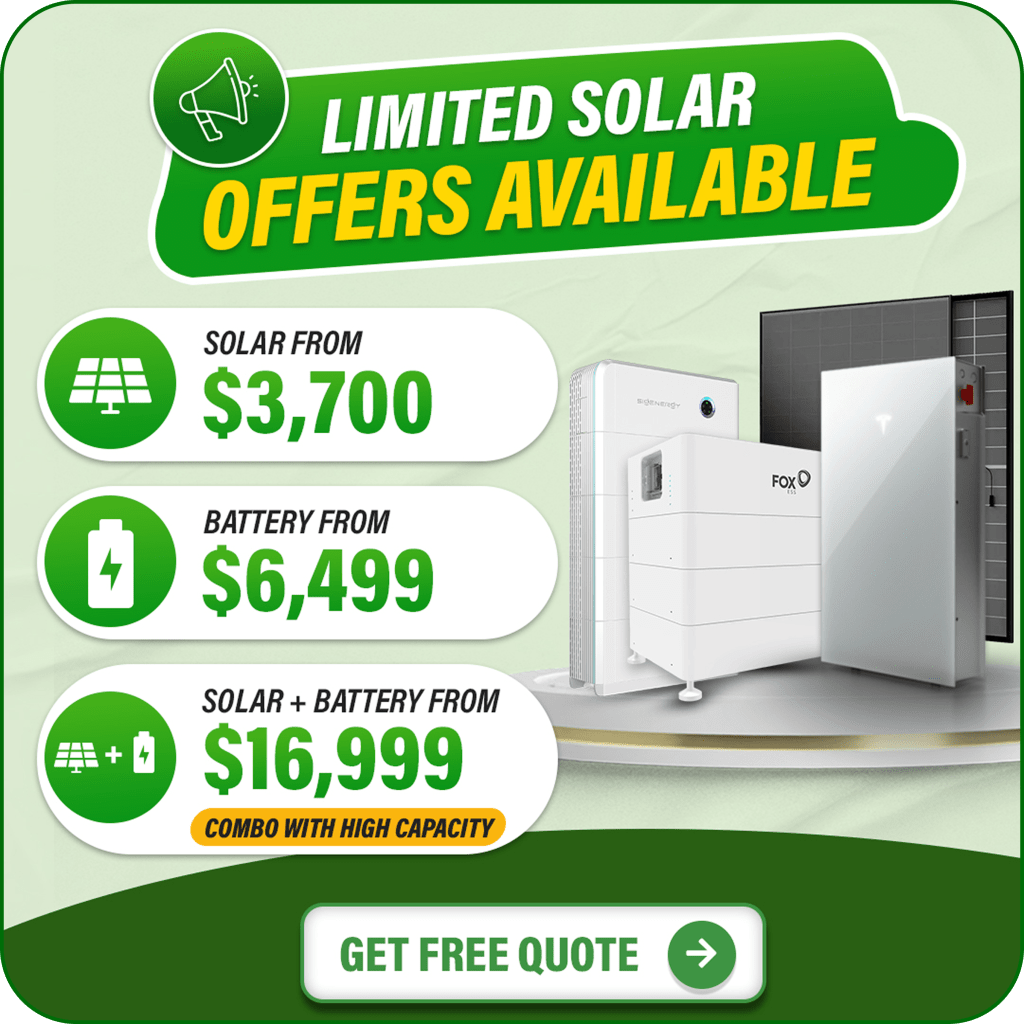
As of 2025, the average cost for a popular 6.6kW solar system in Sydney ranges between $4,000 and $8,000 after government rebates are applied. For those considering different sizes, here’s a quick breakdown:
- 3kW System: Approximately $3,500 – $5,000
- 5kW System: Approximately $4,500 – $8,000
- 10kW System: Approximately $8,000 – $13,000
These prices include installation costs and are influenced by factors such as system quality and installer expertise.
Government Rebates
The Australian government offers significant incentives to encourage the adoption of solar energy. Homeowners can benefit from the Small-scale Technology Certificate (STC) rebate, which provides an upfront discount on solar installations. For instance, a 6.6kW system can receive around $3,026 in rebates. Solar rebate is gradually decreasing and will be phased out by 2030, so now is an opportune time to invest.
Benefits of Smart Home Integration
Integrating smart home technology with your solar panel system can significantly enhance its efficiency and effectiveness. Smart home devices allow homeowners to monitor and manage their energy consumption more effectively.
Real-Time Monitoring
Smart meters and monitoring systems provide real-time data on energy production and consumption. This means you can see exactly how much energy your solar panels are generating at any given moment. By understanding your energy usage patterns, you can adjust your consumption habits to maximize savings.
For example, if you notice that your solar panels are generating excess energy during midday when the sun is at its peak, you might choose to run high-energy appliances like dishwashers or washing machines during this time. This not only helps you utilize the free energy generated by your solar panels but also reduces your reliance on grid electricity during peak hours when rates are often higher.
Energy Management Systems
Smart home technology includes energy management systems that can optimize when you use electricity. For instance, these systems can schedule heavy appliance use during peak solar generation times—typically during the day when sunlight is abundant—thereby reducing reliance on grid electricity when rates are higher.
Moreover, some advanced systems can even learn your energy usage patterns over time and make automatic adjustments to optimize your energy consumption without requiring constant manual input from you.
Cost Savings and Return on Investment
One of the most compelling reasons to invest in solar panels integrated with smart technology is the potential for significant cost savings.
Savings on Electricity Bills
Homeowners in Sydney can expect to see substantial reductions in their electricity bills after installing solar panels. On average, a 6.6kW system can save up to $1,214 per year on energy costs. Over time, these savings can cover the initial investment in just 4-5 years, making it a financially sound decision.
This financial benefit becomes even more pronounced when considering that electricity prices are expected to continue rising in Australia. By investing in solar panels now, homeowners can lock in lower rates for their electricity needs while generating their own clean energy.
Payback Periods
The payback period refers to how long it takes for your investment in solar panels to “pay for itself” through savings on electricity bills. For most homeowners in Sydney, this period is typically between 4-7 years, depending on factors like system size and local electricity rates.
In addition to direct savings on bills, many homeowners find that their property value increases after installing solar panels—a further financial incentive that contributes to a positive return on investment.
Environmental Impact
Switching to solar power not only benefits your wallet but also contributes positively to the environment.
Reducing Carbon Footprint
Solar energy is a clean and renewable source of power that significantly reduces greenhouse gas emissions compared to traditional fossil fuels. By installing solar panels, homeowners play a crucial role in combating climate change while promoting sustainable living practices.
According to studies conducted by various environmental agencies, residential solar installations have been shown to reduce carbon emissions by up to 1 ton per year for every kilowatt installed. This means that a typical 6.6kW system could potentially eliminate around 6.6 tons of CO2 emissions annually—an impressive contribution towards cleaner air and a healthier planet.
Technological Considerations for Integration
When integrating solar panels with smart home technology, it’s essential to consider compatibility between devices.
Choosing Compatible Systems
Not all solar panels or smart home devices work seamlessly together. It’s vital to select products that are designed for integration. Look for smart inverters that allow for remote monitoring and control through mobile apps or home automation systems.
Many reputable manufacturers provide systems specifically designed for easy integration with various smart home platforms like Google Home or Amazon Alexa. This compatibility allows homeowners to control their energy usage through voice commands or smartphone apps—adding convenience along with efficiency.
Energy Storage Solutions
Investing in battery storage systems can further enhance your setup by allowing you to store excess energy generated during sunny days for use at night or during cloudy periods. This maximizes self-consumption of generated power and reduces reliance on grid electricity.
Homeowners can choose from several battery options available on the market today—such as Tesla Powerwall or LG Chem—that integrate smoothly with existing solar setups. These batteries not only provide backup power during outages but also help you make the most out of your solar investment by storing excess energy generated throughout the day.
Conclusion
Integrating solar panels with smart home technology represents a forward-thinking approach for homeowners looking to reduce their energy costs while contributing positively to the environment. With average installation costs declining and government rebates available, now is an excellent time for Sydney residents to consider this sustainable investment.
By understanding the costs involved and recognizing the numerous benefits of smart integration—such as real-time monitoring and optimized energy management—homeowners can make informed decisions that lead to long-term savings and environmental benefits. Embracing this combination not only enhances personal comfort but also supports broader efforts towards sustainability in our communities.
Investing in solar panels integrated with smart technology is not just about saving money; it’s about creating a better future for ourselves and generations to come. So why wait? Take advantage of these technologies today!